


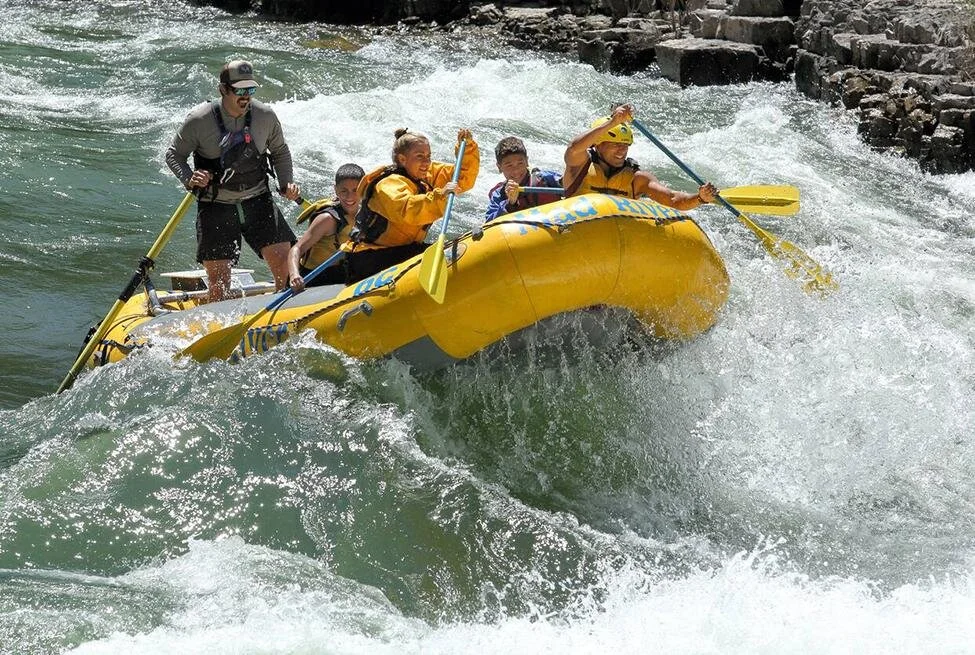
Whitewater rafting is an exhilarating blend of physical challenge, teamwork, and immersion in the raw power of nature. Whether you are a thrill-seeker looking to tackle Class V rapids or a family searching for a scenic river float, the success of your adventure hinges on meticulous preparation. This guide provides a comprehensive framework for planning your next river expedition, ensuring you are safe, comfortable, and ready to make the most of your time on the water.
Choosing the Right River and Difficulty Level
The foundation of any rafting trip is selecting the river that aligns with your group’s experience and comfort levels. Whitewater rapids are categorized using the International Scale of River Difficulty, which ranges from Class I to Class VI.
-
Class I (Easy): Small waves, few obstructions. Perfect for a relaxing family float.
-
Class II (Novice): Straightforward rapids with wide channels. Requires basic maneuvering.
-
Class III (Intermediate): Moderate, irregular waves and narrow passages. These rapids require significant experience and precise paddling.
-
Class IV (Advanced): Intense, powerful rapids with turbulent water and complex maneuvers. These are physically demanding and require expert navigation.
-
Class V (Expert): Extremely difficult, long, and violent rapids. High risk of injury. Only for highly experienced paddlers and professional guides.
-
Class VI (Extreme): Unrunnable or near-impossible, reserved for professional explorers under specific conditions.
When planning, assess the collective skill level of your party. If you are a beginner, opting for a guided trip on Class II or III water is the gold standard for safety and enjoyment. Professional outfitters know the local hydrology better than anyone and can tailor the trip to ensure the right balance of excitement and security.
Essential Gear and Clothing
Dressing appropriately for whitewater rafting is less about fashion and more about thermal regulation and safety. River environments are often unpredictable; water temperatures are frequently much colder than the air temperature, even in summer.
On the Water Attire
Avoid cotton at all costs. Cotton absorbs water, loses all insulating properties, and can lead to rapid heat loss if you fall in. Instead, rely on synthetic materials or wool.
-
Base Layers: Moisture-wicking polyester or merino wool.
-
Insulation: If the water is cold, use a wetsuit or a dry suit provided by the outfitter.
-
Footwear: Wear secure-fitting shoes with good grip. Old sneakers or dedicated water shoes are ideal. Never wear flip-flops, as they will wash away in the first rapid.
-
Sun Protection: A hat that fits under a helmet and high-SPF, water-resistant sunscreen are non-negotiable.
Safety Equipment
Regardless of your swimming ability, your safety kit should always be handled by professionals or adhere to strict regulatory standards. Always ensure you are equipped with:
-
Personal Flotation Device (PFD): Must be a Coast Guard-approved type III or V life jacket. It should be snug, not tight, with all buckles fastened.
-
Helmet: A whitewater-specific helmet is mandatory for any trip involving Class III rapids or higher to protect against rocks and equipment in the event of a capsize.
Timing Your Adventure
The seasonality of a river is determined by its water source. Rivers fed by snowmelt typically hit peak flow in late spring and early summer, offering the most intense whitewater. Rivers dependent on rainfall can be more sporadic, surging after heavy storms.
Research the specific river’s flow rates, often measured in cubic feet per second (CFS). A river at 2,000 CFS may be a gentle ride, while the same river at 5,000 CFS could transform into a dangerous, high-water event. Always check the outfitter’s reports or local government stream gauge websites in the week leading up to your trip.
Physical and Mental Preparation
While professional guides do the heavy lifting regarding navigation, rafting is a team sport. Your level of fitness will directly impact your enjoyment.
You do not need to be an Olympic athlete, but basic core strength and cardiovascular endurance will help you paddle effectively for several hours. Practice simple upper-body exercises and core stability movements in the weeks before your trip. More importantly, prepare yourself mentally for the reality of the river. You will get wet, you may be tossed around, and you must follow your guide’s instructions instantaneously. Learning the basic paddling commands—such as forward, back, draw, and high-side—before you arrive at the river will make you a much more effective crew member.
Logistics and Outfitter Selection
Unless you are an expert with your own raft, boat, and safety gear, booking a commercial trip is the most responsible choice. When selecting an outfitter, prioritize experience and reputation over the lowest price.
-
Check Certification: Ensure the outfitter is licensed by the state or local government and that their guides are certified in Swiftwater Rescue and First Aid/CPR.
-
Safety Record: Look for long-standing companies with positive reviews specifically mentioning safety protocols and guide professionalism.
-
Group Size: Smaller groups generally receive better instruction and a more personalized experience.
-
Inclusions: Confirm what is provided. Do they include transport to the put-in point? Do they provide wetsuits and helmets? What are the photography policies?
Understanding River Etiquette and Conservation
The wilderness areas surrounding rivers are fragile ecosystems. As rafters, we are guests in these environments. Follow “Leave No Trace” principles diligently.
-
Pack out everything you pack in. Do not leave snack wrappers or gear on the riverbanks.
-
Stay on established trails when taking out or portaging around unrunnable sections.
-
Respect wildlife by maintaining a respectful distance and keeping noise levels moderate.
-
Avoid damaging riparian vegetation at launch sites.
What to Expect on Trip Day
The morning of your rafting adventure usually begins with a mandatory safety briefing. This is the most critical part of your day. Pay absolute attention. The guide will demonstrate how to hold your paddle, how to sit in the raft to maintain your center of gravity, and, crucially, what to do if you fall overboard.
If you end up in the water, the primary rule is to keep your feet up and point them downstream. This prevents your foot from getting trapped between rocks on the riverbed. Listen for your guide’s voice above the roar of the water. If they shout “High-side,” move to the side of the raft they indicate to prevent a flip or to balance the boat when it strikes an obstacle.
Frequently Asked Questions
Can I bring my cell phone or camera on the raft?
Most rafting companies advise against bringing electronics unless you have a professional-grade, waterproof housing. Even then, there is a high risk of loss or water damage in turbulent rapids. Many outfitters hire professional photographers to capture shots from the shore, which you can purchase after the trip.
What should I do if I am a non-swimmer?
You can still go rafting if you are not a strong swimmer, provided you communicate this clearly to your guide. You must wear a high-buoyancy PFD at all times and stay focused during the safety briefing. Choose lower-class rapids for your first experience to build confidence.
How much water should I drink during the trip?
Dehydration is common on the river due to the physical exertion and the sun reflecting off the water. Drink plenty of water before you board and ensure your outfitter provides water on the boat, especially on long half-day or full-day excursions.
Is there an age limit for whitewater rafting?
Age limits vary by river and outfitter, often depending on the difficulty of the rapids. Some rivers allow children as young as six or seven on mild floats, while more aggressive rapids usually have a minimum age of twelve to sixteen. Always confirm with the company before booking.
What happens if the weather turns bad?
Rafting is an all-weather sport, and trips often proceed in the rain. However, if the weather creates dangerous conditions like lightning or extreme flooding, the outfitter will cancel or reschedule the trip for your safety.
Do I need to tip my rafting guide?
Tipping is customary in the rafting industry, similar to dining or other service-based activities. If your guide provided a fun, safe, and informative experience, a tip is a great way to show appreciation. Standard tipping ranges between 10 and 20 percent of the trip cost.
Can I wear glasses or contact lenses?
If you wear glasses, use a tight-fitting retention strap so they do not fall off in the rapids. Contact lens wearers should be aware that splashes are common; if possible, wear prescription water goggles or bring a backup pair of glasses in a secure, waterproof case.