


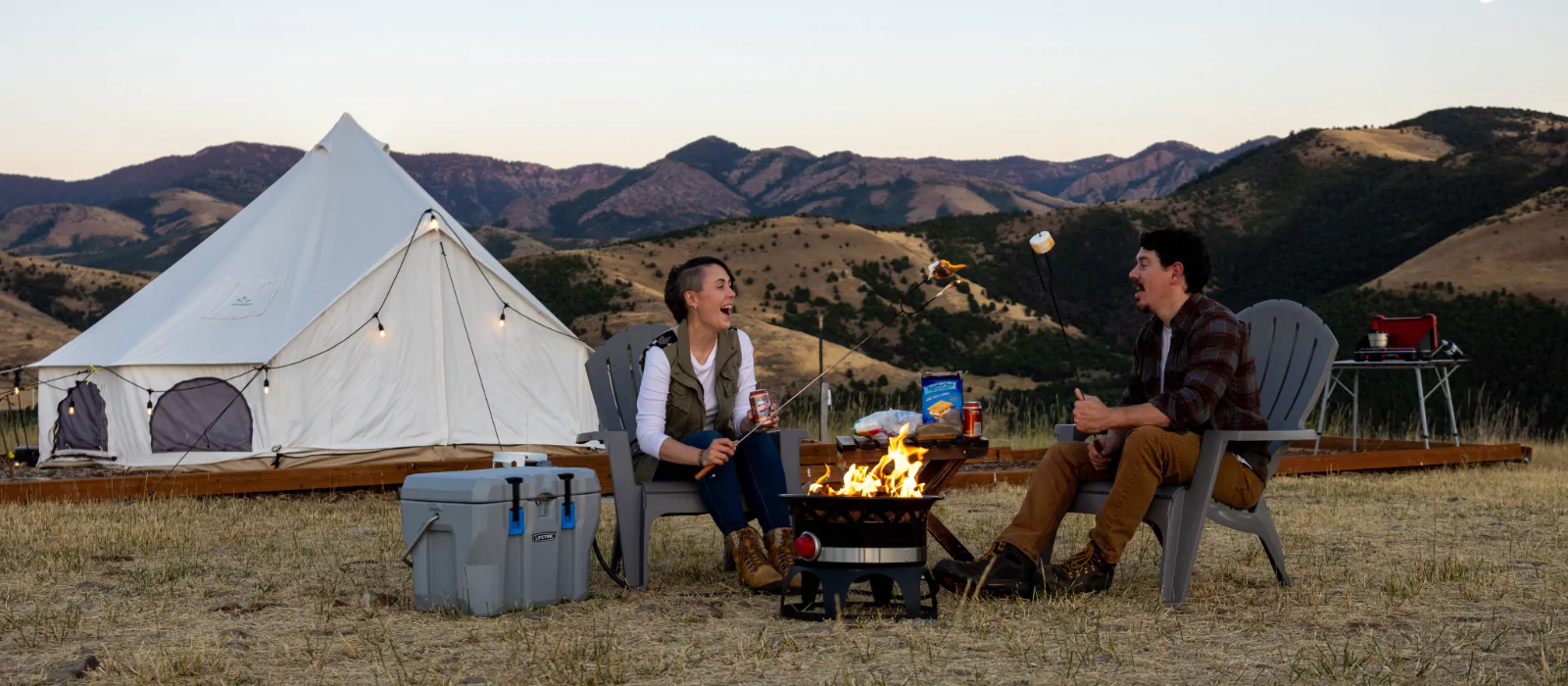
Camping used to be synonymous with simple, sometimes uninspired meals like charred hot dogs or instant noodles. However, a movement toward elevated outdoor cooking has transformed the campsite into a legitimate kitchen. Gourmet camping is not about hauling heavy appliances or spending hours prepping ingredients. Instead, it is about minimalism, high-quality ingredients, and the efficiency of the one-pot method. Cooking over an open fire or a portable stove in the wilderness provides a flavor profile that no home kitchen can replicate. By mastering a few versatile one-pot techniques, you can enjoy sophisticated, delicious meals under the stars without the stress of a massive cleanup.
The Philosophy of One-Pot Gourmet Cooking
The beauty of one-pot cooking lies in its simplicity. When you are deep in the woods or parked at a remote site, the last thing you want is a mountain of dishes to wash. A single Dutch oven, a heavy-duty cast iron skillet, or a large stainless-steel pot is all you need to create a culinary masterpiece. The key to gourmet camping is preparation. By doing the bulk of your chopping, marinating, and seasoning at home, you turn your campfire experience into a simple assembly process.
When selecting recipes for your trip, focus on ingredients that are robust and can withstand travel without spoiling. Root vegetables, hardy greens, pre-cooked proteins, and artisanal pasta are your best allies. By layering flavors—starting with aromatics like onion and garlic, building with proteins, and finishing with fresh herbs—you create depth that belies the simplicity of the cooking method.
Essential Gear for the One-Pot Chef
You do not need a kitchen full of gadgets to cook well. To maintain the gourmet standard while keeping your gear light, focus on a few high-quality, multi-purpose items.
-
Cast Iron Dutch Oven: This is the gold standard for campfire cooking. It is durable, retains heat evenly, and can be placed directly on coals or a grate. It is perfect for stews, braises, and even baking bread.
-
Heavy-Duty Cast Iron Skillet: Ideal for searing, sautéing, and browning. A well-seasoned skillet provides non-stick convenience and adds a distinct flavor to your food.
-
Long-Handled Utensils: Invest in a sturdy metal spoon and a long-handled pair of tongs. Keep your hands away from the direct heat of the fire while ensuring you have control over your ingredients.
-
Heat-Resistant Gloves: Protecting your hands while moving a hot Dutch oven or adjusting wood in the fire is essential for safety.
-
Collapsible Prep Bowls: These save space in your pack and provide a dedicated area for staging your ingredients before they hit the pot.
Savory One-Pot Recipe Ideas
Rustic Dutch Oven White Bean and Sausage Stew
This stew is the ultimate comfort food for a chilly evening. It is hearty, packed with protein, and gains a smoky depth from being cooked over an open fire.
-
Ingredients: Pre-cooked artisanal sausage, two cans of cannellini beans, a bunch of kale, one onion, two cloves of garlic, a splash of white wine or vegetable broth, and crushed red pepper flakes.
-
Method: Brown the sausage in the Dutch oven directly over the coals. Add the onions and garlic, cooking until translucent. Pour in the beans and broth, letting the mixture simmer for twenty minutes. Stir in the chopped kale during the final five minutes of cooking. Season with salt and pepper to taste.
Mediterranean Orzo with Shrimp and Tomatoes
This light, vibrant dish is perfect for summer nights when you want something fresh but satisfying.
-
Ingredients: Orzo pasta, pre-peeled shrimp, a pint of cherry tomatoes, kalamata olives, feta cheese, and fresh parsley.
-
Method: Bring water to a boil in your pot and cook the orzo until al dente. Drain, leaving just a small amount of water. Add the tomatoes and shrimp directly into the pot, cooking until the shrimp turn pink. Remove from heat, toss in the olives and feta, and top with fresh parsley. The residual heat will melt the cheese into a creamy sauce.
The Ultimate Campfire Shakshuka
Shakshuka is a North African dish that is perfect for a gourmet breakfast or a light dinner. It relies on the marriage of spiced tomato sauce and perfectly poached eggs.
-
Ingredients: A jar of high-quality marinara or fire-roasted tomatoes, cumin, paprika, diced bell peppers, four large eggs, and crusty sourdough bread for dipping.
-
Method: Sauté the peppers in your skillet until soft. Add the tomatoes and spices, allowing the sauce to thicken over the fire. Use your spoon to create small wells in the sauce and crack the eggs directly into them. Cover the skillet with a lid or a sheet of heavy-duty aluminum foil. Cook until the egg whites are set but the yolks remain runny.
Tips for Success in the Wilderness
Temperature control is the biggest challenge when cooking over a campfire. Unlike a home stove, you cannot simply turn a dial to adjust the heat. Instead, manage the temperature by moving your pot toward or away from the center of the fire. Use a coal bed rather than an open flame for simmering, as direct flames are too intense and will likely burn the bottom of your meal.
Another crucial tip is to manage your moisture. Because you are cooking outdoors, evaporation can happen faster than you expect. Always carry extra liquid, whether it is broth, water, or wine, to keep your food from drying out. Lastly, never underestimate the power of seasoning. Dried herbs, high-quality sea salt, and a small bottle of balsamic vinegar or lemon juice can elevate a simple meal to a gourmet experience in seconds.
Embracing the Art of Slowing Down
Gourmet camping is as much about the environment as it is about the food. Preparing a thoughtful, one-pot meal requires you to slow down and observe the fire, listen to the surrounding woods, and participate in the preparation process. By moving away from quick, processed meals, you align yourself with the rhythm of the outdoors. You will find that food tastes better when it is prepared with patience and shared in the open air. This approach to cooking encourages a deeper connection with your fellow campers and a greater appreciation for the simplicity of life outside the city.
Frequently Asked Questions
How do I clean my cast iron pot effectively at the campsite?
To clean your cast iron while camping, wipe out any excess food with a paper towel while the pot is still warm. Use a small amount of water and a stiff brush to remove stuck bits. Avoid using harsh soaps, as they can strip the seasoning. After cleaning, dry the pot thoroughly over the fire to prevent rust and apply a thin layer of cooking oil.
Can I prepare these one-pot meals on a portable propane stove instead of an open fire?
Absolutely. All these recipes are perfectly suited for portable camping stoves. In fact, propane stoves provide much more precise temperature control than an open fire, which can make delicate tasks like simmering sauces or poaching eggs even easier.
How do I prevent ingredients from spoiling during a multi-day trip?
Use a high-quality cooler with block ice rather than cubed ice, as it melts much slower. Keep your cooler in the shade at all times and minimize the number of times you open the lid. Store perishables like meat and dairy at the very bottom where it is coldest.
What are some versatile spices to keep in my camping kit?
Keep a compact spice kit containing salt, black pepper, red pepper flakes, garlic powder, cumin, and dried oregano. These ingredients are lightweight, take up almost no space, and can be used to add flavor to almost any type of one-pot meal, from stews to breakfast scrambles.
How can I make sure my vegetables stay fresh while camping?
Store root vegetables like onions, garlic, and potatoes in a mesh bag outside of the cooler in a cool, dark place. For leafy greens, wrap them in paper towels and place them in a sealed container or bag within the cooler to keep them crisp and prevent them from getting soggy.
Are there any specific tips for baking bread in a Dutch oven?
Yes. To bake in a Dutch oven, place coals on the lid as well as underneath the pot. This creates an oven-like environment with heat circulating from the top and bottom. Keep a close watch on the bread and rotate the lid periodically to ensure an even crust and prevent hot spots from burning the loaf.
How do I handle leftovers in the wilderness?
It is best to plan your meals so that you avoid leftovers, as proper storage and reheating can be difficult in a camping setting. However, if you do have extra food, ensure it is refrigerated immediately. Reheat leftovers thoroughly until they are steaming hot throughout before consuming. If you cannot store them at a safe temperature, it is best to dispose of them properly to avoid attracting wildlife.