


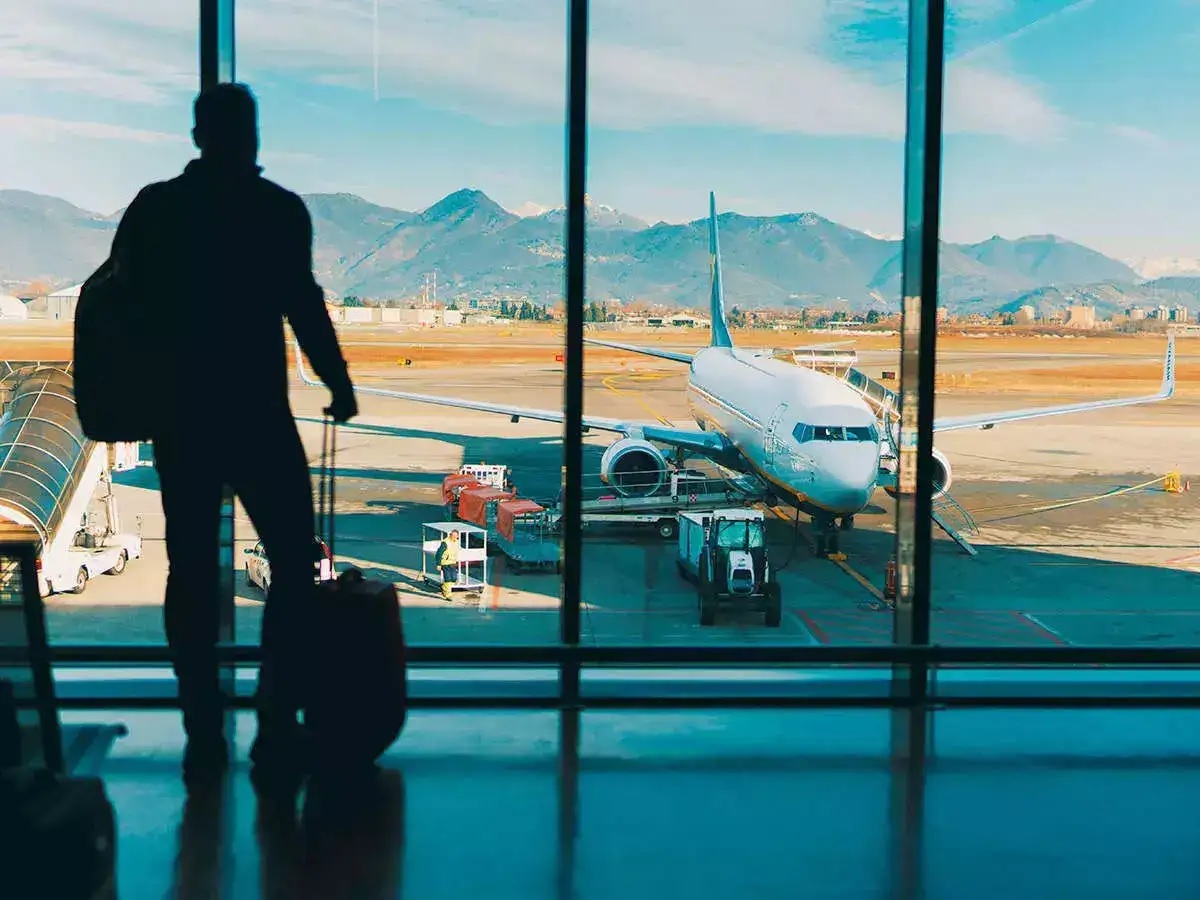
In an age where technology connects us instantly to almost every corner of the world, the desire to travel has grown not just as a form of recreation but as a vital part of personal growth and understanding. Travel is no longer merely about seeing new places; it has become a powerful tool for broadening one’s perspective, deepening empathy, and enriching the human experience. It allows individuals to step beyond the confines of their routine lives and engage with the unfamiliar, the unknown, and the exotic. In many ways, travel serves as a gateway to personal transformation, enabling individuals to cultivate new perspectives, embrace diverse cultures, and expand their understanding of the world. But what is it about travel that makes it so transformative, and why is it so deeply valued by those who make the world their home for only a brief moment?
The Desire to Explore: Human Nature’s Quest for the Unknown
Since the dawn of civilization, the spirit of exploration has been woven into the fabric of humanity. From ancient seafarers navigating uncharted oceans to modern-day adventurers trekking across remote mountain ranges, the act of travel has long been a means of pushing beyond the known boundaries of one’s world. Today, this urge to explore remains just as strong, though the reasons for traveling have evolved in both scope and significance.
For many, the allure of travel lies in the opportunity to escape the everyday grind. It provides a much-needed respite from the pressures of work, the monotony of daily routines, and the confines of urban life. It offers a break—a pause—allowing individuals to reconnect with themselves and find moments of peace in places of tranquility. Whether it’s a quiet beach in Bali, a peaceful village in the Swiss Alps, or the serene landscapes of New Zealand, these environments provide an opportunity to slow down, reflect, and recharge.
However, for some, the appeal of travel goes beyond relaxation. It becomes an essential part of their search for self-identity, cultural enrichment, and intellectual stimulation. In a world where borders—whether geographical, political, or social—seem to create division, travel offers a means to cross these lines and engage with people who live vastly different lives. It is through these interactions that travelers find themselves not just encountering new landscapes but also learning more about their own place within a global context.
Broadening Perspectives: How Travel Cultivates Empathy and Understanding
One of the most profound ways in which travel affects us is through the development of empathy and cultural awareness. When individuals venture to unfamiliar territories, they often find themselves immersed in a completely different way of life. Whether it’s understanding the nuances of a local custom, sharing a meal with a family in rural India, or observing the daily routines of people in bustling Tokyo, travel offers an authentic window into the human experience beyond the tourist attractions and postcard-perfect views.
Through these encounters, travelers are forced to confront their own biases and preconceived notions. For example, traveling through Southeast Asia may challenge a Western traveler’s understanding of poverty, religion, or the concept of family. In contrast, a trip to Europe may reveal new insights into history, art, and political systems that were previously seen only through the lens of textbooks. These eye-opening experiences are often the catalysts for personal growth, sparking deeper curiosity and prompting individuals to reflect on the world in more nuanced ways.
Furthermore, interacting with locals from diverse backgrounds allows travelers to experience the rich tapestry of cultural identities and histories that often go unnoticed in the media. In doing so, travel fosters a sense of shared humanity—a realization that, despite our differences, we all seek happiness, love, and belonging. It encourages travelers to step outside their comfort zones and embrace diversity, promoting a greater sense of global citizenship and interconnectedness.
A Gateway to Personal Growth and Reflection
While travel offers countless opportunities for cultural exploration and intellectual growth, it also serves as a powerful tool for personal transformation. The act of leaving one’s comfort zone and immersing oneself in new environments often prompts a reevaluation of personal values, priorities, and goals. The challenges and uncertainties that come with navigating a foreign country—whether it’s figuring out public transportation in a city where you don’t speak the language or learning to adapt to a completely different time zone—force individuals to tap into reserves of resourcefulness and resilience.
Travel also provides an opportunity for deep reflection. Away from the demands of daily life, individuals can step back and gain perspective on their own experiences. A journey through the streets of Paris, for instance, may lead a traveler to ponder the nature of success and happiness, while a hike through the Grand Canyon might ignite a newfound appreciation for nature’s beauty and impermanence. In this sense, travel becomes not just a physical journey but a metaphorical one—an exploration of the self.
Many travelers find that taking time away from the familiar allows them to see their own lives from a fresh perspective. Whether it’s considering a career change after spending time volunteering in Africa or seeking a more meaningful connection with family after traveling to a country where familial bonds are paramount, these moments of introspection often lead to important life decisions and a deeper understanding of one’s own purpose.
The Intellectual Adventure: Learning Through Travel
Beyond the emotional and personal aspects, travel is also a profound intellectual adventure. Exposure to new ideas, philosophies, and ways of thinking can expand one’s mental horizons in ways that no textbook ever could. For example, attending a Buddhist meditation retreat in Thailand or taking a cooking class in Tuscany offers practical lessons that cannot be replicated through mere observation. These hands-on experiences provide valuable insights into the history, art, and philosophy of a region, turning travel into an educational journey that is both enriching and transformative.
For those with an academic or intellectual bent, travel offers a unique opportunity to immerse oneself in a region’s history and culture. Visiting ancient ruins in Greece or Egypt can bring history to life in a way that books never could. Engaging with local experts, historians, and cultural guides offers a deeper understanding of past events and the forces that have shaped societies. Likewise, visiting art galleries in Florence or Paris can spark a renewed appreciation for the role of art in human expression.
Furthermore, as the world continues to globalize, travel fosters cross-cultural exchange and innovation. Exposure to new ideas and technologies from different parts of the world can inspire creative solutions to global challenges, whether it’s in the realm of environmental sustainability, education, or technology. In this way, travel not only nurtures individual growth but also contributes to the collective advancement of society.
Conclusion: The Endless Rewards of Travel
In an increasingly globalized world, the act of travel has taken on new significance. It is no longer simply about visiting new places for leisure; it is about enriching the mind, broadening the soul, and connecting with others in a meaningful way. Through travel, we step outside the confines of our everyday existence and immerse ourselves in new experiences that transform us, challenge our assumptions, and make us more compassionate and open-minded.
Whether it’s the quiet reflection offered by a solitary hike through the mountains or the lively exchanges experienced in the bustling streets of a foreign city, travel opens doors to experiences that are both enriching and transformative. It is through these experiences that we find not just the world but also ourselves—a more empathetic, self-aware, and enlightened version of who we are.
In the end, the true value of travel lies not in the destinations we visit but in the journey itself. It is in the moments of connection, learning, and personal growth that travel becomes a profound and life-affirming experience. The world is vast, and as long as we remain curious, open-minded, and adventurous, it will continue to offer us the infinite rewards of discovery.