


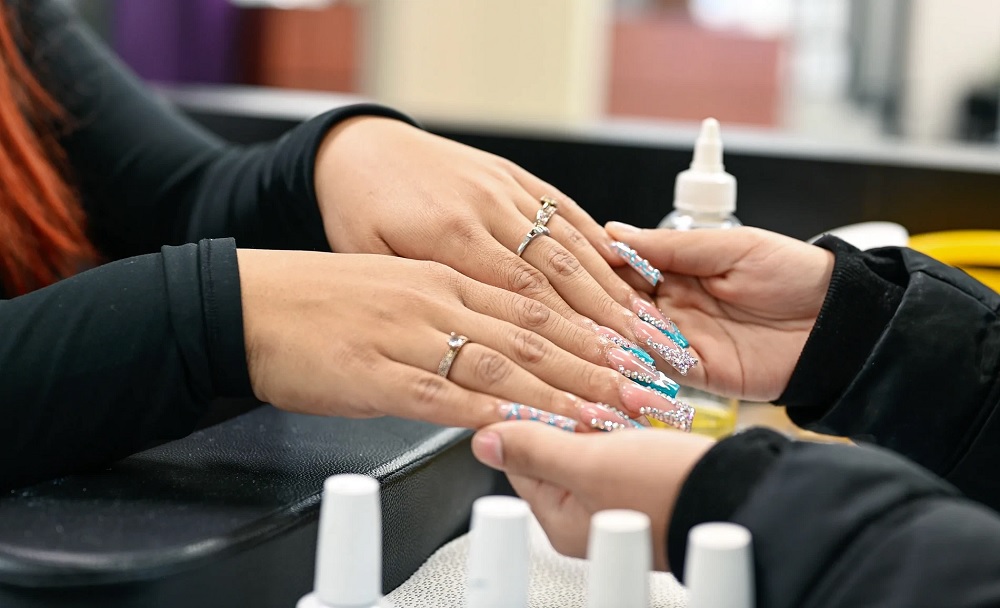
Navigating the Nail Cosmetology Landscape
Understanding the Beauty Industry: Trends and Opportunities
The beauty industry is a dynamic and evolving sector that constantly adapts to consumer preferences, technological advancements, and cultural shifts. As of 2023, there are notable trends that are shaping the landscape of nail cosmetology. For instance, the rise of social media platforms like Instagram and TikTok has not only changed how trends are disseminated but has also created an opportunity for nail technicians to showcase their artistry and reach a wider audience. The increasing demand for organic and eco-friendly products is another significant trend, prompting many technicians to develop skills in using sustainable materials and techniques. This pivot towards eco-conscious beauty solutions offers nail professionals exciting opportunities to cater to a more discerning clientele.
In addition, the proliferation of at-home beauty services due to the pandemic has opened new avenues for freelance nail technicians. Many individuals are now seeking personalized services in the comfort and safety of their homes. This shift highlights the need for nail professionals to be versatile and savvy in marketing their skills outside traditional salon environments. By staying updated on these trends, aspiring nail technicians can position themselves as experts in emerging services such as nail art, gel services, and wellness therapies, significantly enhancing their career prospects.
The Role of Nail Technicians in Modern Beauty
Nail technicians are not merely service providers; they are specialists who contribute significantly to the beauty experience of their clients. Their expertise encompasses more than just applying polish; they play a pivotal role in nail health, aesthetics, and overall customer satisfaction. In modern beauty, the role of a nail technician has evolved to include a broader understanding of nail structure, skin diseases, and sanitation practices. Furthermore, they are expected to provide personalized consultations to help clients choose styles and products that suit their individual needs and preferences.
Moreover, the social aspect of nail care cannot be overstated. Nail salons have become community hubs where clients unwind, socialize, and engage in self-care. Nail technicians must, therefore, possess strong interpersonal skills to foster a welcoming environment and build lasting client relationships. Their role is akin to that of a therapist, where understanding and a personal touch can enhance customer loyalty. This evolving dynamic demonstrates that being a nail technician is not merely a technical job; it encompasses artistry, science, and emotional intelligence.
Exploring the Different Career Paths Within Nail Cosmetology
Nail cosmetology offers a diverse range of career paths beyond the traditional salon setting. While many may choose to work in a salon or spa environment, there are other rewarding avenues to explore. Freelancing has grown in popularity, enabling technicians to market their services independently, curate their client base, and often enjoy greater financial rewards. This flexibility can be particularly appealing for those looking to balance work with personal commitments.
Additionally, career opportunities exist in specialized fields such as nail art design, where technicians can express their creativity and showcase unique styles. Some technicians may choose to focus on medical nail technology, working alongside podiatrists or in medical spas to treat nail disorders and injuries. Education and training roles also offer an avenue for seasoned professionals to share their knowledge with new students, while product sales or marketing positions allow for an exploration of the business side of the industry. With the right skills and training, the options in nail cosmetology are vast and varied, catering to a range of interests and aspirations.
Crafting Your Skills: What to Expect in Nail Cosmetology School
Curriculum Insights: From Basics to Advanced Techniques
Nail cosmetology school is a space where theory meets practice, and the curriculum is designed to equip aspiring professionals with the foundational and advanced skills needed to thrive. A typical program may begin with the basic anatomy of nails, sanitation practices, and the history of nail care, providing a solid grounding as students progress. Understanding the chemical properties of nail products, nail diseases, and the importance of sanitation protocols are essential cornerstones of the curriculum.
As students advance, they delve into more complex techniques, such as acrylics, gels, and nail art processes. Programs often include modules on contemporary trends such as dip powder nails and intricate design work, ensuring graduates are well-prepared for the current market. Many schools emphasize real-world application, allowing students to work on live models and gain hands-on experience in a supervised environment. This practical application of skills not only helps in building confidence but also fosters a professional attitude necessary for client interactions.
Hands-On Training: The Heart of Nail Education
Hands-on training is a critical component of nail cosmetology education, transforming theoretical concepts into practical skills. Most programs include extensive hours dedicated to practice, where students can experiment with different techniques, tools, and products under the guidance of experienced instructors. This experiential learning environment encourages creativity and experimentation, enabling students to refine their personal style and methodologies.
Moreover, the importance of real-world practice cannot be understated. Students often participate in workshops and practice sessions where they can work with clients in a simulated salon setting. This immersion into a real-world environment not only helps students hone their techniques but also teaches them the essential soft skills needed to manage client relationships. Techniques for consultation, time management, and customer service are integral aspects of hands-on training, preparing students for the demands of the industry once they graduate.
Guest Speakers and Workshops: Learning from Industry Leaders
A hallmark of high-quality nail cosmetology programs is the inclusion of guest speakers and specialized workshops led by industry leaders. These interactions expose students to various perspectives and experiences from accomplished professionals in the field. Guest speakers can share invaluable insights on trends, innovations, and career paths that can significantly shape a student’s journey. Workshops, on the other hand, provide focused learning opportunities on specific techniques or products, often featuring demonstrations and hands-on participation to deepen understanding.
Events featuring leading brands or nail artists can also serve as a platform for networking, where students can connect with potential employers or mentors. Engaging with industry veterans provides students with insights into the latest trends and technologies, helping them stay relevant and ahead of the curve in a fast-evolving industry landscape. Through these interactive learning experiences, students not only gain knowledge but also inspiration to aspire toward their own professional success.
Building Your Brand: Marketing Yourself as a Nail Professional
Social Media Mastery: Showcasing Your Work Effectively
In today’s interconnected world, social media is an indispensable tool for nail professionals looking to build a successful brand. Platforms like Instagram, Facebook, and TikTok are visual mediums that allow technicians to showcase their artistry and attract a wide audience. Mastering these platforms involves consistently posting high-quality images and videos of work, engaging with followers, and utilizing appropriate hashtags to increase visibility. Curating an aesthetically pleasing feed that reflects personal style is essential to attract and maintain an engaged audience.
Moreover, social media serves as a platform for storytelling and sharing about the process behind the creations. Posting behind-the-scenes content, sharing client testimonials, or offering tips can foster a deeper connection with followers. Engaging with the community through interactive content, such as polls or challenges, not only promotes visibility but also enhances client loyalty. A well-executed social media presence can drive bookings and establish a technician’s reputation as a trendsetter in the nail cosmetology field.
Networking Strategies: Connecting with Clients and Peers
Networking is a vital skill for professionals in the nail cosmetology industry, providing opportunities for collaboration, mentorship, and client acquisition. Building connections with fellow students, instructors, and industry professionals can yield beneficial relationships that last beyond school. Attending industry events, local beauty fairs, and workshops is crucial for expanding a professional network. Not only do these avenues provide an opportunity to learn about new products and trends, but they also create platforms to meet potential clients.
Additionally, establishing a rapport with local businesses, collaborating with other beauty professionals, and utilizing online forums can also help in expanding one’s reach. Creating a referral program can incentivize current clients to refer friends and family, ultimately boosting a technician’s clientele. An investment in building and nurturing professional relationships will invariably unlock new opportunities for growth, collaboration, and success.
Creating a Signature Style: Finding Your Unique Niche
In a saturated market, developing a signature style or niche can set a nail technician apart from the competition. This could mean specializing in a specific nail art technique, focusing on natural nail health, or offering unique services such as nail therapy or custom nail enhancements. Identifying a niche allows technicians to build a brand that resonates with a particular target audience, enabling them to develop marketing strategies that speak directly to their ideal clients.
Finding one’s unique style often involves experimentation and exploration of various techniques until that distinctive quality emerges. Technicians should stay abreast of industry trends, but also prioritize individuality and creativity. Attending workshops, educating oneself on new methods, and continually seeking feedback from peers and clients are effective strategies for fine-tuning a personal brand. Ultimately, having a clearly defined niche not only enhances creativity and passion for the work but also serves as a significant marketing tool in establishing a lasting brand presence.
Beyond the Basics: Continuous Learning and Professional Growth
Staying Updated: The Importance of Continuing Education
The beauty industry is multifaceted and ever-changing, making continuous education crucial for nail professionals. Staying updated on the latest techniques, tools, and trends ensures that technicians remain competitive in an evolving market. Many states require practicing nail technicians to complete continuing education hours to maintain licensure, providing a structured approach to professional development.
Enrolling in advanced courses, attending industry conventions, and partaking in online webinars are effective means of pursuing ongoing education. Such efforts widen skill sets, introduce new trends, and offer insights that can be incorporated into daily practices. Moreover, engaging in continuous learning fosters a culture of curiosity and commitment to excellence, both of which are essential for long-term success in the field.
Certifications and Specializations: Enhancing Your Credentials
Obtaining additional certifications and specializations can significantly enhance a nail technician’s credentials and marketability. Pursuing specialized certifications in areas such as gel application, nail enhancements, or nail art can impress prospective clients and employers. These credentials serve as proof of expertise, often leading to higher earning potential and enhanced job opportunities.
Furthermore, specialized techniques such as nail art, rhinestones, or even wellness-oriented treatments like paraffin wax can help technicians stand out. Acquiring certifications in trending techniques ensures that technicians can meet client demands and maintain a competitive edge. By demonstrating a commitment to professional development through certifications, nail technicians can instill confidence in their clients and cultivate a reputation as industry authorities.
Joining Professional Organizations: Building Your Network
Becoming part of a professional organization can yield numerous benefits for nail technicians seeking to advance their careers. Organizations provide valuable resources, networking opportunities, and access to the latest industry news and advancements. They may also offer workshops, mentorship programs, and opportunities to participate in competitions, which can elevate a technician’s profile in the industry.
Membership in professional bodies often includes access to forums and communities where professionals can exchange ideas, seek advice, and support one another. Networking through these platforms builds a sense of camaraderie, sharing valuable tips and best practices essential for professional growth. Ultimately, aligning with industry organizations reinforces credibility and opens doors to collaborations and opportunities, enhancing a technician’s career trajectory.
FAQ
Question: What qualities should I develop to become a successful nail technician? – Developing strong customer service skills, artistic ability, attention to detail, and a passion for the beauty industry are essential for success as a nail technician.
Question: How can I find a reputable nail cosmetology school? – Look for accredited programs, read reviews from former students, and visit the school in person if possible to ensure it fits your learning style and career goals.
Question: Are there any licenses or certifications required to practice nail cosmetology? – Yes, most states require nail technicians to obtain a license, which usually involves completing a training program and passing a state exam.
Question: How important is sanitation in nail cosmetology? – Sanitation is crucial to prevent infections and ensure the health and safety of clients, making it a fundamental aspect of nail technician training.
Question: What social media platforms are best for promoting my nail services? – Instagram, Facebook, and TikTok are particularly effective for sharing visual content and reaching potential clients interested in nail art and beauty services.
Question: How can I keep up with trends in the nail industry? – Following beauty influencers, subscribing to industry publications, and attending workshops or conventions can help you stay updated on the latest trends and techniques.
Question: What should I focus on in my portfolio as a nail technician? – Your portfolio should showcase a variety of styles, techniques, and creative nail art designs that reflect your unique skills and aesthetic.
Question: Is networking important in nail cosmetology? – Yes, networking can lead to job opportunities, collaborations, and valuable relationships within the beauty community, enhancing your career growth as a nail technician.