


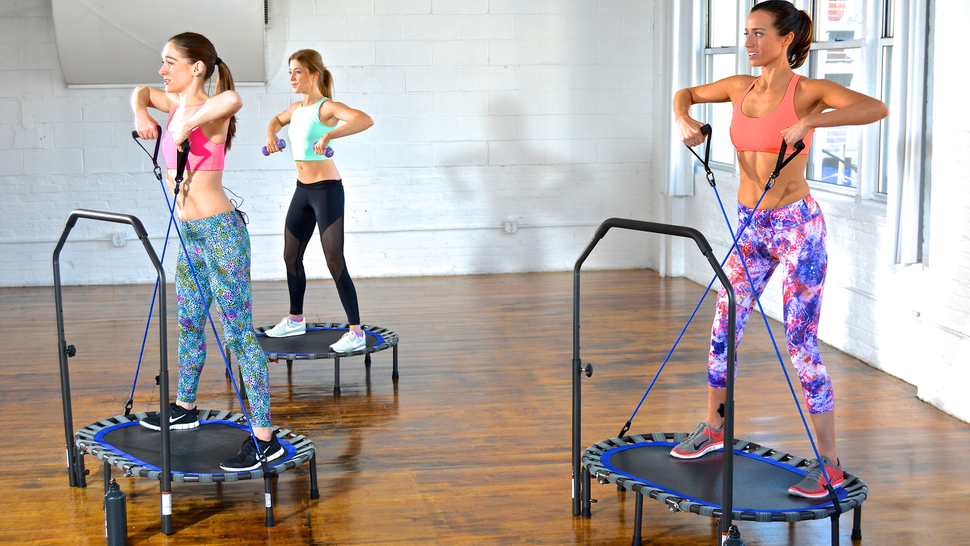
Life in Singapore moves fast. Long work hours, constant screen exposure, traffic, deadlines, and social commitments often leave people feeling mentally drained even when they try to stay physically active. Stress builds quietly, sleep quality drops, and mood can fluctuate without an obvious cause. Over time, this combination affects focus, energy, and overall wellbeing.
Regular movement is one of the most effective ways to manage these challenges, but not all exercise supports mental recovery equally. High pressure workouts can sometimes add to fatigue rather than relieve it. This is where trampoline fitness singapore offers a different approach. By combining rhythmic movement, music, and controlled intensity, trampoline workouts create an environment that supports stress release, emotional balance, and better sleep patterns.
Rather than feeling like another task on the to do list, trampoline based exercise often feels playful and engaging. This emotional shift plays a powerful role in how the nervous system responds to physical activity.
Why stress affects sleep and mood more than we realise
Stress is not only a mental experience. It triggers physical responses throughout the body. When stress levels remain elevated for long periods, the nervous system stays in a heightened state of alert.
Common signs include:
-
Difficulty falling asleep or staying asleep
-
Waking up feeling unrefreshed
-
Irritability or low mood during the day
-
Reduced motivation to exercise or socialise
-
Persistent mental fatigue
In Singapore’s work driven culture, many people accept these symptoms as normal. However, unmanaged stress can gradually affect physical health, emotional resilience, and long term productivity.
How movement influences the nervous system
Exercise influences the balance between the sympathetic nervous system, responsible for alertness and stress, and the parasympathetic system, responsible for relaxation and recovery.
The goal is not to eliminate stress responses completely, but to help the body switch out of them more efficiently. Well structured physical activity teaches the nervous system how to activate and then calm down again.
Trampoline workouts are particularly effective because they combine:
-
Continuous rhythmic motion
-
Coordinated breathing patterns
-
Music driven pacing
-
Full body engagement without excessive strain
This combination sends signals to the brain that movement is safe, enjoyable, and controlled, which helps reduce mental tension.
Why trampoline workouts feel mentally lighter
Many people report feeling mentally refreshed after trampoline sessions, even if the workout itself was physically demanding. This effect is linked to how the brain processes rhythm, coordination, and novelty.
Rhythm and music
Music based movement helps regulate breathing and heart rate naturally. Rhythm encourages the brain to focus on timing rather than worries, creating a temporary break from mental noise.
Coordinated movement
Learning and repeating movement patterns improves focus and body awareness. This shifts attention away from stressors and into the present moment.
Reduced performance pressure
Trampoline workouts focus on movement quality and rhythm rather than competition or speed. This reduces performance anxiety, which is common in high intensity gym environments.
Together, these factors make trampoline workouts feel emotionally supportive rather than draining.
Stress reduction through controlled intensity
Not all stress is harmful. Short bursts of physical stress during exercise can actually improve the body’s ability to cope with daily challenges. The key is balance.
Trampoline classes typically alternate between:
-
Moderate intensity phases that raise heart rate
-
Lighter recovery phases that encourage breathing control
This mirrors healthy stress cycles. The body experiences effort, then recovery, repeatedly. Over time, this improves stress tolerance and emotional regulation.
Unlike long endurance workouts that may leave people exhausted, trampoline sessions often end with a sense of calm energy.
The connection between trampoline fitness and sleep quality
Sleep problems are common in Singapore, especially among professionals who train late in the evening. The concern is often that exercise at night will overstimulate the body.
Trampoline workouts can support sleep when managed properly because:
-
They help release accumulated physical tension
-
They improve mood, reducing bedtime anxiety
-
They support healthy fatigue rather than exhaustion
-
They encourage deeper breathing patterns after exercise
The key is timing and intensity selection.
Choosing the right class timing
Earlier evening sessions allow the body to cool down naturally before bedtime. Late sessions can still work if intensity is moderated and proper wind down habits are followed.
Post workout routines that support sleep
Simple habits after training can significantly improve sleep quality:
-
Light stretching to reduce muscle tension
-
Avoiding caffeine after mid afternoon
-
Hydrating adequately
-
Reducing screen exposure before bed
When combined with trampoline workouts, these habits help signal the body that it is time to rest.
Mood enhancement through consistent movement
Mood is influenced by both chemical and behavioural factors. Physical activity stimulates neurotransmitters associated with positive mood, focus, and emotional balance.
Trampoline workouts support mood improvement through:
-
Increased blood flow to the brain
-
Release of endorphins and dopamine
-
Social interaction during group classes
-
A sense of accomplishment without pressure
For individuals experiencing mild low mood or emotional fatigue, consistency matters more than intensity. Enjoyable workouts are more likely to be repeated, which reinforces positive effects over time.
Why community based classes matter
Isolation can worsen stress and mood issues, even among highly social cities like Singapore. Group fitness environments provide subtle but meaningful social connection.
Trampoline classes create:
-
Shared movement experiences
-
Positive group energy
-
Encouragement without comparison
-
A sense of belonging
This social element plays a role in emotional wellbeing, especially for individuals who spend much of their day working independently or remotely.
Integrating trampoline fitness into a balanced lifestyle
For stress, sleep, and mood benefits, trampoline workouts should be part of a broader lifestyle approach rather than a quick fix.
A balanced weekly routine may include:
-
Two to three trampoline sessions
-
Daily light movement such as walking
-
Regular hydration throughout the day
-
Consistent sleep and wake times
-
Short breaks from screens during work hours
This holistic approach amplifies the mental health benefits of exercise.
When professional guidance helps
While trampoline fitness can support mental wellbeing, it is not a replacement for professional care. Persistent stress, anxiety, or sleep disturbances should be discussed with a qualified healthcare provider.
Exercise works best as part of a support system that includes medical advice, counselling if needed, and healthy lifestyle habits.
Choosing a supportive trampoline environment
The structure and atmosphere of classes influence how effective they are for mental wellbeing. Well designed programmes focus on movement quality, pacing, and participant comfort rather than pushing limits at all costs.
Studios such as TFX Singapore offer trampoline classes that balance physical challenge with enjoyment, making them suitable for people seeking stress relief alongside fitness improvements.
Real life FAQs about trampoline fitness, stress, and sleep
Can trampoline workouts really help reduce daily stress?
Yes. The combination of rhythmic movement, music, and controlled intensity helps calm the nervous system and provides mental relief from daily pressures.
Will evening trampoline classes disrupt my sleep?
Not necessarily. Many people sleep better after exercise if intensity is managed and proper wind down habits are followed.
How long before I notice mood improvements?
Some people feel immediate mood lifts after sessions. More consistent emotional benefits usually appear after two to four weeks of regular training.
I feel mentally exhausted after work, should I still exercise?
Light to moderate movement often helps relieve mental fatigue rather than worsen it. Starting gently and focusing on rhythm can make sessions feel restorative.
Can trampoline fitness help with work related burnout?
It can support recovery by improving energy levels and emotional balance, but burnout may require broader lifestyle and professional support as well.
Is trampoline fitness suitable if I feel anxious in gyms?
Many people find trampoline classes less intimidating because they focus on enjoyment and movement rather than comparison or heavy equipment.
Should I train every day for stress relief?
Daily intense training is not necessary. Two to three sessions per week combined with daily light movement is usually sufficient.
Can trampoline workouts replace meditation or relaxation practices?
They can complement relaxation practices, but combining movement with mindfulness or breathing exercises often provides the best results.
By supporting stress management, improving sleep quality, and lifting mood, trampoline fitness offers a practical and enjoyable way to care for mental wellbeing within Singapore’s demanding lifestyle.