


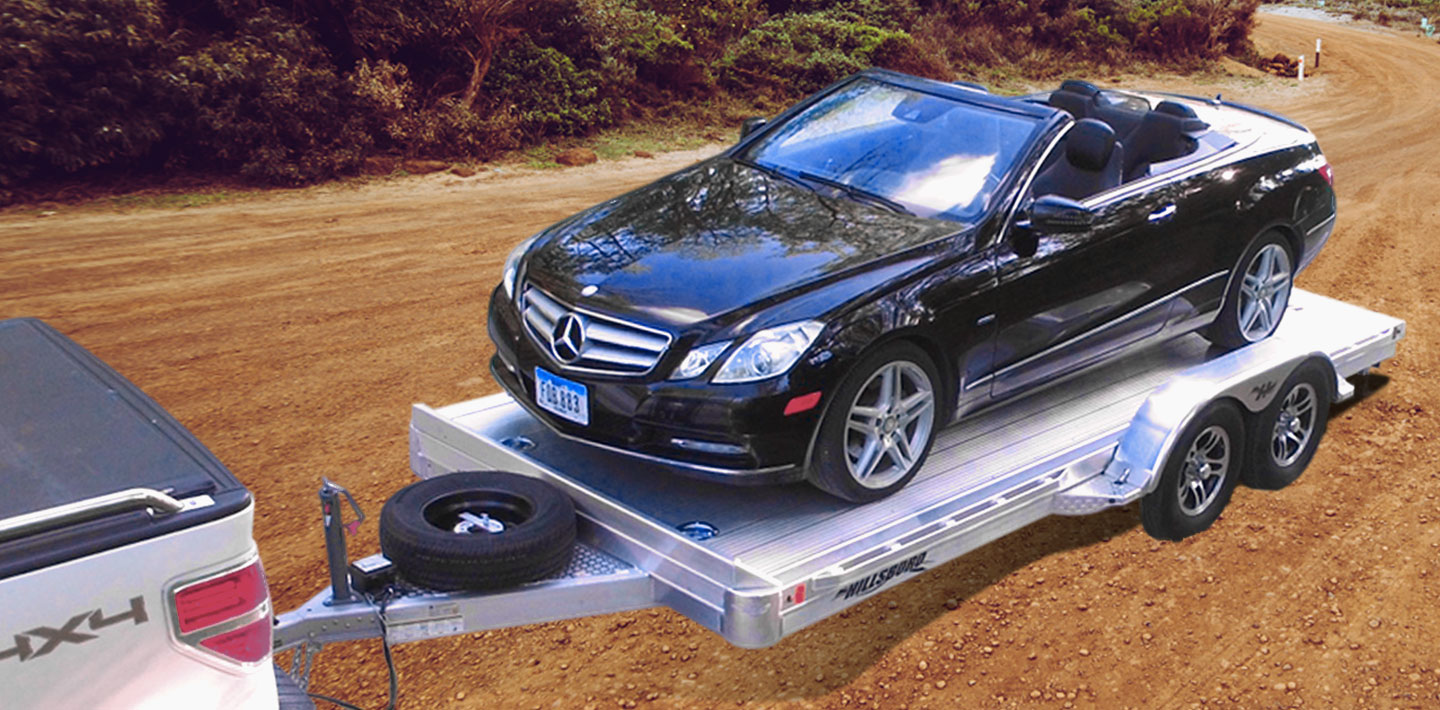
Transporting a vehicle used to be an operation that only professionals handled. Today, everyday drivers, hobbyists, and small businesses are increasingly taking that task into their own hands. Whether someone is hauling a project car, relocating a second vehicle, or running a small automotive service, they often find that owning the right trailer is the key to moving safely and efficiently. Among all the options available, open car trailers stand out for their simplicity, durability, and cost effectiveness.
These trailers have become a trusted choice for people who want reliability without added complexity. Drivers appreciate being able to see their vehicle during transport, maneuver easily in tight areas, and load without unnecessary barriers. As the demand for vehicle transport grows, so does the interest in equipment that makes the job easier. Understanding how these trailers work, what features matter, and how they compare to enclosed alternatives helps buyers make informed decisions that protect their vehicles and their budgets.
Why Open Car Trailers Appeal to a Wide Range of Drivers
Open trailers attract drivers for several reasons. Their construction is straightforward, which reduces maintenance costs and makes them easier to operate. They also weigh less than enclosed trailers, which means many drivers can tow them with standard pickups or SUVs rather than specialized heavy duty vehicles. Lower weight often translates to better fuel efficiency and smoother handling on the road.
Visibility is another major advantage. Being able to check on the car while driving gives owners peace of mind. Many people who transport vehicles frequently say they prefer open trailers because they can quickly spot shifting tie downs or unusual wheel movement. This level of visibility gives drivers a sense of control during long travel days.
Because open trailers expose the vehicle to airflow, they reduce wind resistance compared to large enclosed models. This helps stabilize the trailer at higher speeds and lowers overall towing strain. These factors make open car trailers a practical option for both recreational and professional use.
Key Design Features That Influence Performance and Safety
While the general structure of an open trailer may look simple at first glance, the quality of its components plays a critical role in safety and performance. Buyers should always pay close attention to several core features.
The frame is the backbone of the trailer. High quality frames are typically made from steel or aluminum. Steel frames offer strength and durability, while aluminum provides corrosion resistance and reduced weight. Both materials have benefits, so the choice often depends on how often the trailer will be used and the type of vehicle it needs to carry.
Axles and suspension systems are equally important. Tandem axles distribute weight more effectively than single axles and create better stability, especially when transporting heavier vehicles. Trailers with upgraded suspension systems handle bumps and uneven roads more smoothly, reducing stress on both the trailer and the car being transported.
Deck material also deserves consideration. Many open trailers use treated wood for the deck because it provides traction and absorbs some of the vehicle’s weight. Aluminum decking is another option that offers longevity and low maintenance. Buyers often choose based on personal preference, climate, and the type of vehicle they plan to haul.
Tie down points and securement systems are essential safety components. A trailer with multiple anchor points allows for flexible and secure positioning of straps. Strong, well placed anchor points ensure the vehicle remains stable during sudden stops or sharp turns. The layout of tie downs can make the difference between a relaxing drive and a stressful one.
Loading and Unloading Made Easier
Ease of loading is one of the biggest selling points of open car trailers. Most models feature built-in ramps that fold or slide into the frame for quick access. These ramps reduce the need for additional equipment and simplify the loading process for drivers working alone.
Some advanced models include tilt beds. With a tilt bed, the whole platform gently lowers at an angle, allowing the vehicle to be driven or rolled onto the trailer without the need for detachable ramps. This type of design is especially helpful for low clearance vehicles that risk scraping their bumpers on steep loading angles.
Winches are another helpful accessory. A powerful winch lets drivers pull non-running vehicles onto the trailer smoothly. Whether someone owns a classic car project or runs a towing service, a winch adds versatility and reduces physical strain during loading.
How Open and Enclosed Car Trailers Compare
While open trailers are extremely popular, enclosed trailers remain an option for many drivers. Understanding the differences helps buyers choose the model that matches their needs.
Enclosed trailers offer full protection from weather, debris, and road conditions. They are ideal for transporting luxury cars or high value vehicles that require complete shielding from the elements. However, this added protection comes with a higher price tag, increased weight, and more complex maintenance.
Open car trailers focus on accessibility, affordability, and ease of use. For many drivers, the slight exposure to weather is a minor trade off compared to the convenience and cost benefits they offer. Even professional car haulers often use open trailers for everyday work because they allow fast loading and unloading, which is essential when transporting multiple vehicles in a day.
Every buyer should weigh factors such as budget, towing capacity, vehicle type, and long term plans. For many, open trailers strike the perfect balance of practicality and performance.
Maintenance Practices That Keep Trailers in Top Condition
Owning a trailer requires ongoing care, just like maintaining a vehicle. Fortunately, open trailers are easier to maintain than enclosed models due to their accessible structure. Regular inspections prevent costly repairs and extend the life of the equipment.
Checking tire pressure before each trip ensures safe handling and reduces blowout risk. Wheel bearings should be inspected and greased according to manufacturer guidelines. Over time, bearings can wear down from long trips and heavy loads, so keeping them lubricated protects the axles and reduces friction.
The frame should be monitored for corrosion, especially in areas prone to moisture. Steel trailers may need periodic rust prevention treatments. Aluminum trailers resist rust but can still require occasional cleaning and inspection for small cracks or loose joints.
Tie down straps should be replaced when frayed or overstretched. Securement equipment is often overlooked, yet it plays a major role in keeping the vehicle stable during transit. A few minutes of inspection can prevent serious accidents.
Why More Small Businesses Rely on Open Trailers
The rise of gig based and independent automotive services has increased demand for trailers that provide flexibility and efficiency. Small vehicle traders, mobile mechanics, and roadside service operators appreciate the simplicity and affordability of open trailers. They can transport customer vehicles, move parts, or pick up inventory without investing in expensive commercial hauling equipment.
Cost is a major factor. Open trailers are significantly more affordable than enclosed models, which helps small business owners maximize their budgets. The lighter weight also means lower fuel consumption and the ability to tow with a wider range of vehicles.
Many businesses benefit from the professional appearance of well maintained equipment. When a customer sees a clean and secure open trailer pulling up, it signals organization and reliability. This adds value beyond the physical equipment itself.
The Growing Popularity Among Car Enthusiasts
Automotive hobbyists and collectors are another group contributing to the rise of open car trailers. Many enthusiasts participate in gatherings, restoration projects, or local shows where transporting a vehicle is part of the process. Open trailers make these trips easier by reducing setup time and allowing owners to monitor their vehicles on the road.
Car enthusiasts often enjoy customizing their trailers. They add toolboxes, spare tire mounts, upgraded ramps, or lighting systems that meet their unique needs. Open trailers provide a foundation that owners can personalize without complicated modifications.
Some enthusiasts prefer them because they allow the transported vehicle to breathe. Enclosed trailers can trap moisture around a freshly painted or restored car. Open models avoid humidity buildup and make cleaning and detailing easier after transport.
Important Considerations Before Buying
Choosing a trailer involves more than selecting the best looking model. Buyers should ask themselves key questions that influence the right fit.
- What type of vehicle will be transported most often?
- Is the tow vehicle capable of pulling the trailer and the full load?
- How frequently will the trailer be used?
- Does the buyer need a tilt bed, standard ramps, or a specialized design?
- Will the trailer be stored indoors or outdoors?
Answering these questions helps narrow down the ideal combination of size, material, and features. Many buyers also benefit from testing how the trailer feels behind their vehicle. A quick towing test often reveals whether the trailer handles smoothly or requires adjustments.
Looking Ahead at Trailer Innovation
Open trailer design continues to evolve as manufacturers explore new materials, smarter safety features, and improved aerodynamics. Designers are experimenting with lighter alloys that reduce weight without sacrificing strength. Lighting upgrades improve visibility on the road, which enhances safety during night travel. Some companies are testing integrated sensors that monitor tire pressure, axle load, and strap tension, offering drivers real time feedback.
These advancements will likely make future trailers even more accessible for everyday drivers. As hauling needs change and demand grows, open trailers will continue to shape how people move vehicles with confidence and efficiency.
Why Open Car Trailers Remain a Trusted Choice
When people choose open car trailers, they are selecting practicality, versatility, and reliability. These trailers offer a balance of affordability and performance that appeals to a wide range of drivers. Whether someone is a hobbyist, a small business owner, or simply moving a vehicle from one destination to another, open trailers provide a dependable way to get the job done.
They are easy to maintain, simple to load, and adaptable for many uses. Most importantly, they give drivers confidence on the road by offering visibility, stability, and solid support. As transportation needs continue to grow, open car trailers remain a strong and trusted solution that helps people move forward with both freedom and peace of mind.